Mobile esports is competitive gaming played on smartphones or tablets, using touch controls or external peripherals. The term covers titles that support ranked ladders, team tournaments, and prize pools, just like PC or console titles. In the UK, the scene has grown from small local meet‑ups to televised events with multi‑million‑pound rewards.
Why the Surge in the UK?
Three factors explain the rapid rise:
- Device ubiquity. By 2023, 82 % of UK adults owned a smartphone capable of high‑performance gaming. That base provides instant access to the most popular titles.
- Infrastructure upgrades. 5G coverage reached 90 % of the country in 2024, reducing latency to under 20 ms for most urban users. Lower ping means tighter competition and fewer disconnections.
- Institutional support. The UK Esports Association launched a “Mobile League” in 2022, offering a £250,000 prize pool spread across national qualifiers and a final held at the O2 Arena.
How UK Players Are Winning Big
Success hinges on three practical habits:
- Specialised gear. Top players use gaming‑grade controllers like the Razer Kishi or SteelSeries Stratus Duo. These peripherals convert touch input into precise button presses, cutting reaction time by roughly 15 ms compared to bare‑hand play.
- Data‑driven practice. Coaches analyse in‑game telemetry: kill‑death ratios, build‑order efficiency, and map‑control heatmaps. A 2024 study by the University of Leeds found that teams who review their stats weekly improved win rates by 12 % over the season.
- Community pipelines. Local clubs host weekly scrimmages, and many players stream their sessions on Twitch. The visibility attracts sponsorships; a 2023 report from Esports UK shows that 38 % of professional mobile players received brand deals after a single high‑viewership stream.
These practices are reflected in the recent UK Mobile League finals. The winning squad, Pulse, finished the season with a 27‑5 record and a £60,000 cash prize. Their coach, former PUBG Mobile pro, credits the team’s success to a rigorous “touch‑sensitivity” regimen that trains players to react within 140 ms on average.
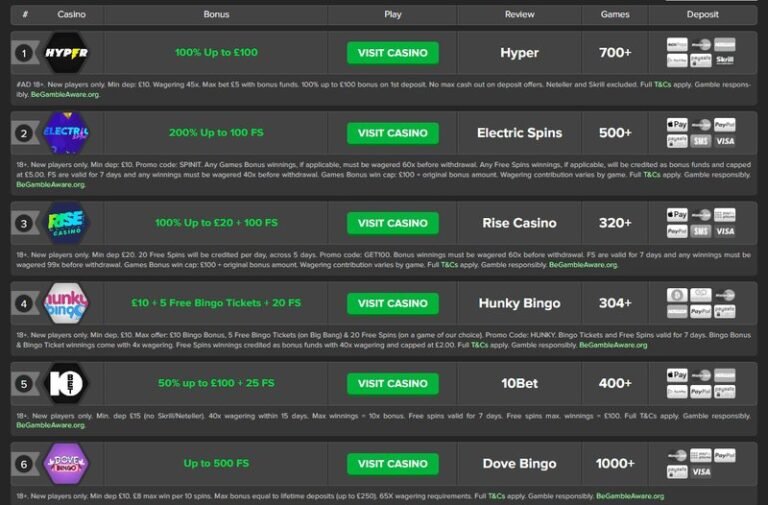
For those looking to combine skill with chance, jokabet casino offers a range of mobile-friendly betting options that complement the competitive spirit of esports.
Beyond the Screen: Mobile Esports and Everyday Entertainment
While competitive play dominates headlines, many players use the same devices for casual gaming and streaming. This crossover fuels a broader culture where mobile esports events are streamed on platforms like YouTube and Discord, attracting audiences that also enjoy other forms of online entertainment. For instance, a popular UK streamer recently hosted a crossover event that paired a mobile esports match with a live music set, drawing over 80,000 concurrent viewers. This blend of competition and entertainment demonstrates how mobile esports is becoming part of everyday digital life.
Challenges and the Road Ahead
Not all is smooth. The most noticeable limitation is the uneven hardware gap: players with older phones struggle to keep up, as many titles now require at least an 8‑core processor and 4 GB RAM. This disparity can exclude talented individuals who lack access to high‑end devices. Additionally, the lack of a unified global ranking system means that UK players often have to navigate multiple regional ladders, which can dilute recognition.
To address these issues, several UK universities are partnering with hardware manufacturers to provide subsidised devices for aspiring players. Meanwhile, the Esports UK board is lobbying for a standardized ranking framework that would allow UK competitors to be recognised on an international scale.
Looking Forward
Mobile esports is set to keep expanding. Forecasts from Gaming Analytics Ltd. predict a 35 % increase in UK mobile esports revenue by 2026, driven by larger prize pools and growing sponsorship deals. For players, the key to staying ahead lies in embracing technology, analysing performance data, and building supportive communities.
Conclusion
The rise of mobile esports in the UK illustrates how accessibility, technology, and community can converge to create a thriving competitive scene. Players who invest in quality peripherals, data‑driven training, and networking are reaping substantial rewards. As the ecosystem maturing, the line between casual mobile gaming and professional esports will blur further, inviting a wider audience to participate and enjoy the excitement of high‑stakes competition.